
TOP OF PAGE
Quick Facts
Best Time To Go
Cost & Spending
Travel Tips
Regions & Highlights
Travel Map
What To See & Do
Itineraries
What To Eat
Hidden Gems
Where To Stay
Trip Planning
ABOUT US

Welcome traveler!
We're Andre & Lisa, adventurers and experienced budget travelers.
We have over two decades of travel experience and since 2018 have led a full-time nomadic lifestyle.
Thank you for visiting and we hope you find value in our destination pages! We thoroughly research and curate all content ourselves and everything you find on this site is put together by only the two of us.


SPAIN TRAVEL GUIDE
Spain stretches across the Iberian Peninsula with 17 autonomous regions, each offering its own rhythm and character. It’s a country where centuries of history meet everyday life — Roman ruins stand beside Gothic cathedrals, Moorish palaces overlook bustling plazas, and modernist architecture shapes vibrant cities.
In Andalusia, olive groves roll across the hills and the Alhambra rises as a reminder of Moorish artistry. Barcelona dazzles with Gaudí’s bold designs and a lively Mediterranean spirit. Madrid pulses with energy, from its grand boulevards and world‑class museums to festivals that spill into the streets.
Travelers can wander through medieval towns, hike mountain ranges, or relax on sun‑drenched coasts. Flamenco rhythms, local markets, and regional cuisines add to the sense of discovery. Whether exploring the countryside of La Mancha, tasting paella by the sea, or joining in a neighborhood fiesta, Spain invites visitors to experience its diversity in both culture and landscape.
DO YOU NEED A VISA FOR SPAIN?
<<VISA RESULT>>
<< Visa Details >>
For the latest requirements or for application click
Let iVisa take the pain out of travel planning and assist you with Electronic visas, Travel Authorizations, Visas on Arrival, and even Paper Visas. They can also help with Health Declarations and Embassy Registrations. If you're from the US, they provide a One-Stop Shop to renew your Passport securely and error-free.
⬇️ REGIONAL GUIDES ⬇️
TRAVEL GUIDE
TRAVEL GUIDE
TRAVEL GUIDE
TRAVEL GUIDE
TRAVEL GUIDE
TRAVEL GUIDE

⬇️ COUNTRY GUIDE ⬇️
Capital: Madrid
Official Language: Spanish (Castilian); regional languages include Catalan, Galician, and Basque
Currency: Euro (€)
Population: Around 47 million
Time Zone: Central European Time (CET), UTC +1 (UTC +2 in summer)
Climate: Generally Mediterranean, with hot summers and mild winters; more continental in the interior and oceanic in the north
Famous Cuisine: Tapas, paella, jamón ibérico, churros, olive oil, and regional wines
Popular Destinations: Madrid, Barcelona, Seville, Granada, Valencia, Bilbao, San Sebastián, Canary Islands, Balearic Islands
Major Festivals: Semana Santa (Holy Week), San Fermín (Running of the Bulls), Las Fallas, Feria de Abril, La Tomatina
UNESCO World Heritage Sites: Over 40, including the Alhambra in Granada, Sagrada Família in Barcelona, and the historic center of Toledo
Useful Information for Visitors
Siesta: In many towns, shops and restaurants may close for a few hours in the afternoon. Larger cities are less affected, but it’s useful to plan around this tradition.
Tipping: Service charges are usually included in bills. Small tips — rounding up or leaving loose change — are appreciated but not expected.
Transportation: Spain has an extensive rail network, including high‑speed trains (AVE) connecting major cities. Buses are often cheaper and reach smaller towns.
Art & Architecture: Spain is home to world‑renowned museums and architectural landmarks, from Roman ruins and Gothic cathedrals to modernist works by Antoni Gaudí.
Local Interaction: Spaniards are generally welcoming, and engaging with locals — whether at markets, cafés, or festivals — adds to the travel experience.
Language: While Spanish (Castilian) is the official language, regional languages such as Catalan, Galician, and Basque are widely spoken in their areas.
Safety: Spain is considered safe for travelers, though petty theft can occur in busy tourist areas. Keep an eye on belongings in crowded places.

QUICK BOOKING RESOURCES


SEASONS AT A GLANCE
Most destinations have different times of the year when they’re more or less popular with tourists.
Peak Season
Shoulder Season
Off Peak Season
JANUARY
HOT
COLD
MODERATE
DRY
WET
FEBRUARY
HOT
COLD
MODERATE
DRY
WET
MARCH
HOT
COLD
MODERATE
DRY
WET
APRIL
HOT
COLD
MODERATE
DRY
WET
MAY
HOT
COLD
MODERATE
DRY
WET
JUNE
HOT
COLD
MODERATE
DRY
WET
JULY
HOT
COLD
MODERATE
DRY
WET
AUGUST
HOT
COLD
MODERATE
DRY
WET
SEPTEMBER
HOT
COLD
MODERATE
DRY
WET
OCTOBER
HOT
COLD
MODERATE
DRY
WET
NOVEMBER
HOT
COLD
MODERATE
DRY
WET
DECEMBER
HOT
COLD
MODERATE
DRY
WET

BEST TIME TO VISIT SPAIN
Spain can be visited year‑round, but the best time to visit Spain depends on the regions you plan to explore and the type of activities you enjoy.
Spring (March–May): Mild temperatures and blooming landscapes make this a pleasant season for city sightseeing and outdoor festivals. Semana Santa (Holy Week) is one of the country’s most important celebrations.
Summer (June–August): Coastal areas and islands are popular for beach holidays, while inland cities can be very hot. This is peak tourist season, with lively festivals such as San Fermín in Pamplona and La Tomatina in Buñol.
Autumn (September–November): Warm weather lingers into early autumn, especially in the south. Vineyards in regions like La Rioja and Ribera del Duero are active with harvests, making this a good time for wine tourism.
Winter (December–February): Southern Spain and the Canary Islands remain mild, while northern regions and mountain areas are colder. Winter is ideal for skiing in the Pyrenees and Sierra Nevada, as well as enjoying Christmas markets and New Year traditions.
BEST TIME FOR:
Spain is famous for its stunning beaches, each offering a unique vibe and experience. Whether you’re looking for a lively atmosphere, serene beauty, or a touch of history, there’s a beach for everyone.

Let’s start with the ever-popular Costa del Sol. Beaches like La Malagueta in Malaga are perfect for sunbathing and enjoying the local tapas. The best time to visit is from late spring to early autumn, particularly June and September when the weather is warm but the crowds are a bit lighter.
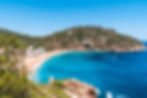
Moving on to the Balearic Islands, you can’t miss Playa de Ses Illetes on Formentera. This beach is renowned for its crystal-clear waters and soft white sands. The summer months are ideal for a visit, especially July and August when the beach is buzzing with energy, though you might want to arrive early to snag a good spot!
Then there’s the stunning Playa de la Concha in San Sebastián, which combines city life with beach relaxation. The best time to go is during the summer, particularly in August when the city hosts its famous Semana Grande festival, adding a lively cultural twist to your beach day.

Don’t overlook the rugged beauty of the northern coast, where you’ll find Playa de Rodas in the Cíes Islands. This beach is often hailed as one of the most beautiful in the world, with its golden sands and turquoise waters. Spring and early fall are the best times to visit, as the weather is mild and the islands are less crowded.
If you’re after something a bit different, check out the black sands of Playa de El Bollullo in Tenerife. This beach is a hidden gem surrounded by dramatic cliffs. The best time to visit is during the shoulder seasons of spring and fall when the weather is still warm, but the tourist rush has calmed down.
Lastly, the Costa Brava offers breathtaking beaches like Cala Montjoi, known for its picturesque coves and stunning scenery. The summer months are ideal, with July and August being the peak times for sun-seekers.
So, whether you're a sun worshipper, a water sports enthusiast, or just looking to relax with a good book, Spain's beaches have something for everyone, and the timing can make all the difference in your experience!
FIND ALTERNATIVES TO SPAIN?
FIND YOUR
PERFECT
DESTINATION
Advanced, real-time destination filter by visa required, region, health risk, travel budget, country value, tourist seasons, best weather and activity or sport.

MORE POSTS ON SPAIN

WEWILLNOMAD
WEWILLNOMAD
WEWILLNOMAD
Spain remains one of the more affordable destinations in Western Europe, though prices vary significantly between regions and cities.
Budget Travelers: Expect to spend around €45–80 per day if staying in hostels or budget guesthouses, using public transport, and eating at local cafés or choosing the menú del día (set lunch menu).
Mid‑Range Travelers: A daily budget of €100–150 covers comfortable hotels, dining in mid‑range restaurants, occasional nightlife, and intercity train travel.
Luxury Travelers: Staying in paradores (historic state‑run hotels), fine dining, and private tours can easily exceed €200–300 per day.
Cost Notes
Prices in Madrid and Barcelona are higher than in smaller towns or rural areas.
Public transport is generally good value, especially buses for long‑distance travel.
Meals and drinks are often cheaper than in many other Western European countries, particularly outside major tourist zones.
FIND DISCOUNT FLIGHTS TO SPAIN
TRAVEL TIPS FOR SPAIN
Plan Around Siesta: In smaller towns, shops and restaurants may close for a few hours in the afternoon. Larger cities are less affected, but it’s useful to schedule meals and shopping accordingly.
Use Public Transport: Spain’s rail and bus networks are extensive and affordable. High‑speed trains (AVE) connect major cities, while buses reach smaller destinations.
Save with Menú del Día: Many restaurants offer a set lunch menu that includes several courses and a drink at good value.
Book in Advance: Popular attractions such as the Alhambra in Granada or the Sagrada Família in Barcelona often require advance reservations.
Stay Flexible: Regional festivals and holidays can affect opening hours and transport schedules. Check local calendars when planning.
Learn Basic Spanish Phrases: While English is widely spoken in tourist areas, using simple Spanish greetings and phrases helps with local interactions.
Watch for Pickpockets: Busy tourist areas, especially in Barcelona and Madrid, can attract petty theft. Keep valuables secure.
Tap Water: Safe to drink in most cities, though bottled water is common in restaurants.
Cultural Etiquette: Spaniards often eat dinner late (after 9 pm), and socializing in cafés and plazas is part of daily life.
REGIONS & HIGHLIGHTS OF SPAIN
Andalusia – Southern Spain is steeped in Moorish history, with landmarks like the Alhambra in Granada and the Mezquita in Córdoba. Flamenco, spring fairs, and sunny plazas make it one of the country’s most vibrant regions.
Catalonia – Barcelona dominates with Gaudí’s architecture and Mediterranean beaches, but Girona and Tarragona add medieval charm and Roman heritage. Catalonia blends tradition with a strong modern identity.
Madrid (Community of Madrid) – At Spain’s center, the capital region offers world‑class museums, lively neighborhoods, and historic squares. It’s a hub of culture, politics, and nightlife.
Valencia (Valencian Community) – Known for paella and the futuristic Ciudad de las Artes y las Ciencias, Valencia balances tradition with innovation. Its coastline and festivals add to its appeal.

Basque Country – A region with its own language and culture, famous for gastronomy and coastal beauty. San Sebastián is a culinary capital, while Bilbao showcases modern art at the Guggenheim.
Navarra – Pamplona’s San Fermín festival draws global attention, but Navarra also offers Pyrenean landscapes, medieval towns, and a quieter side beyond the bull runs.
Aragón – From Mudéjar architecture in Teruel to the dramatic Pyrenees in Ordesa National Park, Aragón combines history with outdoor adventure. Zaragoza adds urban energy and Goya’s legacy.
Castilla y León – A vast region of historic cities and Roman monuments. Salamanca glows with golden sandstone, Segovia boasts its aqueduct and castle, and Ávila preserves medieval walls.
Castilla‑La Mancha – Famous for Don Quixote’s windmills and Toledo’s multicultural heritage, this region reflects Spain’s layered history through synagogues, mosques, and churches.
Galicia – Green hills, rugged Atlantic coasts, and seafood define Galicia. Santiago de Compostela is the spiritual heart, welcoming pilgrims from the Camino de Santiago.
Asturias – A mountainous region with cider traditions and dramatic landscapes. The Picos de Europa National Park offers some of Spain’s best hiking.
Cantabria – Home to prehistoric cave art at Altamira and medieval villages like Santillana del Mar, Cantabria combines history with coastal scenery.
La Rioja – Spain’s wine country, where vineyards and cellars produce world‑class reds. It’s a region for tasting and touring.
Murcia – A sunny Mediterranean region with fertile farmland, beaches, and historic towns. Less visited, but rich in local flavor.
Extremadura – Known for Roman ruins in Mérida and medieval heritage in Cáceres and Trujillo, Extremadura is off the beaten path but culturally rewarding.
Balearic Islands – Mediterranean islands with distinct personalities: Mallorca’s mountains and beaches, Ibiza’s nightlife and retreats, and Menorca’s quiet coves.
Canary Islands – Volcanic Atlantic islands offering year‑round sunshine, unique landscapes, and a mix of beaches and hiking trails.
MADRID
Madrid, Spain’s capital, is a dynamic blend of history, culture, and modern life. At its heart lies Puerta del Sol, the symbolic center of the city, and Plaza Mayor, a grand square framed by arcaded buildings. The city’s architectural highlights range from the Royal Palace to the Temple of Debod, an ancient Egyptian monument gifted to Spain.
Art lovers will find Madrid a cultural powerhouse. The Prado Museum houses masterpieces by Velázquez and Goya, while the Reina Sofía Museum showcases modern works, including Picasso’s Guernica. The Thyssen‑Bornemisza Museum completes the “Golden Triangle of Art,” offering one of Europe’s most diverse collections.

Madrid is equally famous for its food and nightlife. Traditional markets like Mercado de San Miguel combine historic architecture with gourmet tapas stalls, while neighborhoods such as La Latina and Malasaña are filled with bars, cafés, and live music venues. Flamenco shows are widely available, offering visitors a chance to experience one of Spain’s most iconic art forms.
Green spaces provide balance to the city’s energy. Retiro Park is a favorite for locals and visitors alike, with tree‑lined paths, boating on the lake, and outdoor exhibitions. The Gran Vía offers shopping and entertainment, while side streets reveal hidden cafés and boutique shops.
Madrid’s central location makes it an ideal base for exploring nearby historic cities such as Toledo, Segovia, and Ávila, all accessible by train within a couple of hours.
BARCELONA
Barcelona is one of Spain’s most distinctive cities, combining centuries of history with bold modern design. At its core lies the Gothic Quarter, a maze of medieval streets, plazas, and churches that reflect the city’s long past. Nearby, the Cathedral of Barcelona and remnants of Roman walls highlight its layered heritage.

The city is equally defined by the work of Antoni Gaudí, whose imaginative architecture reshaped Barcelona’s skyline. The Sagrada Família, still under construction, is his most famous masterpiece, while Park Güell and Casa Batlló showcase his colorful, organic style. These landmarks make Barcelona a global center for architectural innovation.
Barcelona’s Mediterranean setting adds another dimension. The city’s beaches, such as Barceloneta, are popular for relaxation and water sports, while the Port Vell waterfront offers dining and entertainment. Strolling along La Rambla, visitors encounter street performers, cafés, and the historic Boqueria Market, a showcase of Catalan food culture.

Cultural life thrives in Barcelona, from the Picasso Museum and Joan Miró Foundation to contemporary galleries and music venues. The city also hosts major festivals, including La Mercè, which fills the streets with parades, fireworks, and traditional performances.
Barcelona’s mix of history, art, and coastal leisure makes it one of Spain’s most versatile destinations, appealing to travelers interested in culture, architecture, and Mediterranean lifestyle.
WHAT TO SEE AND DO IN SPAIN
CASTILLA Y LEÓN
Castilla y León is Spain’s largest region, known for its historic cities, medieval architecture, and cultural heritage. It offers travelers a mix of Roman monuments, Renaissance plazas, and fortified towns, all set against rolling landscapes.
Salamanca – Famous for its golden sandstone buildings and lively student atmosphere, Salamanca is home to one of Europe’s oldest universities. The Plaza Mayor, illuminated at night, is a centerpiece of the city and a gathering place for locals and visitors alike.
Segovia – A UNESCO World Heritage city, Segovia is best known for its Roman aqueduct, an engineering marvel with 163 arches. The Alcázar of Segovia, with its fairy‑tale silhouette, and the Gothic cathedral add to the city’s architectural richness.
Ávila – Surrounded by some of Spain’s best‑preserved medieval walls, Ávila features monumental gates, towers, and turrets. The city is also associated with Santa Teresa of Ávila, a 16th‑century mystic and reformer, whose legacy remains central to its identity.
.

CASTILLA-LA MANCHA
Castilla‑La Mancha lies at the heart of Spain and is closely associated with the literary figure of Don Quixote, whose adventures across the region’s plains and windmills have become iconic. Beyond its literary fame, the region offers a rich blend of history, architecture, and cultural traditions.
Toledo – Once the capital of Spain, Toledo is a showcase of multicultural heritage where Christian, Muslim, and Jewish communities left their mark. Its old town is filled with synagogues, mosques, and churches, set among winding streets and plazas. The city is also linked to the painter El Greco, whose works can be seen in local museums and churches.
Windmills of La Mancha – Scattered across the plains, traditional windmills evoke the imagery of Cervantes’ Don Quixote. Towns such as Consuegra and Campo de Criptana preserve these landmarks, offering visitors a glimpse into Spain’s rural past.
Cuenca – Famous for its hanging houses (casas colgadas) perched dramatically over a gorge, Cuenca is a UNESCO World Heritage city. Its medieval streets, cathedral, and modern art museum make it a destination that bridges past and present.
Castilla‑La Mancha is a region where history, literature, and landscape converge. It appeals to travelers interested in Spain’s cultural roots, medieval architecture, and authentic countryside experiences.

CATALONIA
Catalonia, in northeastern Spain, is a region with a strong cultural identity and a mix of historic and modern attractions. Beyond Barcelona, which is known for its architecture and Mediterranean lifestyle, Catalonia offers diverse landscapes and heritage.
Girona – A compact city with medieval walls, cobbled streets, and Romanesque churches. Its old quarter preserves centuries of history, while the riverfront adds charm.
Tarragona – A coastal city where Roman ruins meet Mediterranean beaches. The amphitheater by the sea and mosaic‑filled museums reflect its ancient past.
Pyrenees – Northern Catalonia is home to mountain scenery, hiking trails, and ski resorts. Villages like Vall de Boí preserve Romanesque churches and traditional architecture.
Costa Brava – A rugged stretch of coastline with cliffs, coves, and fishing villages. It’s popular for seaside holidays, walking routes, and local cuisine.
Catalonia combines urban energy, medieval heritage, and natural landscapes, making it one of Spain’s most varied regions to explore.
ARAGÓN, BASQUE COUNTRY & NAVARRA
Aragón
This region stretches from the plains of Zaragoza to the peaks of the Pyrenees. Zaragoza, the capital, is known for the Basilica del Pilar, Mudéjar architecture, and its connection to the painter Francisco de Goya. In the north, the Ordesa y Monte Perdido National Park offers dramatic mountain scenery and hiking trails, while villages such as Albarracín and Sos del Rey Católico preserve medieval charm.

Basque Country
The Basque Country combines strong cultural traditions with modern innovation. San Sebastián is celebrated for its culinary scene and coastal setting on La Concha Bay, while Bilbao has transformed into a cultural hub with the Guggenheim Museum and a lively old quarter. The region’s pintxo (tapas) culture and unique language add to its distinct identity.
Navarra
Pamplona is the best‑known city in Navarra, famous for the San Fermín festival and the Running of the Bulls each July. Beyond the festival, Navarra offers medieval towns, Pyrenean landscapes, and historic sites that reflect its role as a crossroads between Spain and France.
Together, these regions highlight northern Spain’s diversity: Aragón’s mountain landscapes, the Basque Country’s gastronomy and modern art, and Navarra’s traditions and festivals.
CANTABRIA, ASTURIAS & GALICIA
This northern stretch of Spain, often called Green Spain, is known for its lush landscapes, rugged coastline, and cultural depth. The regions combine natural beauty with historic sites, offering a quieter but rewarding alternative to Spain’s southern destinations.
Cantabria – Famous for the Cave of Altamira, with prehistoric paintings dating back thousands of years, and the medieval village of Santillana del Mar. The region also offers coastal scenery and charming fishing towns.
Asturias – A mountainous region with strong traditions, including cider production and hearty cuisine. The Picos de Europa National Park provides dramatic peaks and hiking trails, while towns like Oviedo and Gijón blend history with modern life.
Galicia – Defined by its Atlantic coastline and seafood culture, Galicia is also the endpoint of the Camino de Santiago pilgrimage. The city of Santiago de Compostela, with its cathedral, is a spiritual and cultural landmark. Beyond the pilgrimage, Galicia offers rugged coasts, fishing villages, and distinctive Celtic‑influenced traditions.
Together, Cantabria, Asturias, and Galicia showcase northern Spain’s natural beauty and cultural richness, making them ideal for travelers seeking landscapes, history, and authentic local traditions.
VALENCIA
The Valencian Community stretches along Spain’s eastern Mediterranean coast and blends historic charm with modern innovation. Its capital, Valencia, is known for the striking Ciudad de las Artes y las Ciencias, a futuristic complex of museums and performance spaces. The city also preserves Gothic and Modernista architecture, a lively old quarter, and a thriving dining scene.
Valencia is the birthplace of paella, and its fertile farmland continues to supply the rice and produce that define the region’s cuisine. Festivals such as Las Fallas, with its elaborate street sculptures and fireworks, highlight the city’s vibrant cultural traditions.
Beyond the capital, the region offers diverse landscapes. The Costa Blanca is lined with sandy beaches and resort towns, while inland areas feature orchards, vineyards, and historic villages. Alicante and Castellón add their own coastal attractions, making the region a popular destination for both cultural exploration and seaside relaxation.

ANDALUCÍA
Andalusia, in southern Spain, is a region where Moorish heritage, vibrant traditions, and Mediterranean lifestyle converge. Its cities and towns showcase centuries of history alongside lively cultural scenes.
Seville – Known for its Gothic cathedral, the Giralda tower, and the Alcázar palace, Seville is also a center of flamenco and spring festivals. Its neighborhoods, such as Santa Cruz, combine historic charm with bustling tapas bars.
Córdoba – Once the capital of Islamic Spain, Córdoba is home to the Mezquita, a masterpiece of Islamic architecture. The old town’s patios, narrow lanes, and flower‑filled courtyards add to its appeal.
Granada – The Alhambra remains one of Spain’s most iconic landmarks, blending palace, fortress, and gardens. Granada also offers lively neighborhoods, traditional tea houses, and a strong connection to flamenco.

Málaga – A historic port city that has developed into a cultural hub, Málaga features museums, a restored old town, and a growing reputation for fine dining. Its location on the Costa del Sol makes it a gateway to seaside resorts.
Andalusia is also known for its festivals, cuisine, and warm climate. From orange‑blossom filled courtyards to lively plazas, the region offers travelers a mix of history, culture, and everyday Spanish life.
BALEARIC ISLANDS
The Balearic Islands, located in the Mediterranean off Spain’s eastern coast, are a group of islands each with a distinct personality. While all are known for their beaches and coastal scenery, they also offer cultural heritage and inland landscapes worth exploring.

Mallorca (Majorca) – The largest island, Mallorca combines sandy beaches with the dramatic Serra de Tramuntana mountains, a UNESCO World Heritage site. The capital, Palma, features a Gothic cathedral and Moorish palace, while inland towns and secluded coves provide a quieter side of the island.
Ibiza – Famous for its nightlife and summer club scene, Ibiza also has a more tranquil side with yoga retreats, quiet villages, and pine‑backed coves. The island balances lively entertainment with opportunities for relaxation.
Menorca – Less developed than its neighbors, Menorca is known for its unspoiled beaches, clear waters, and relaxed atmosphere. Its historic towns and coastal paths make it ideal for travelers seeking a slower pace.
Formentera – The smallest of the main islands, Formentera is celebrated for its turquoise waters and laid‑back vibe. Accessible by ferry from Ibiza, it’s a favorite for cycling, swimming, and enjoying natural surroundings.
Together, the Balearic Islands offer a mix of nightlife, culture, and natural beauty, making them one of Spain’s most versatile Mediterranean destinations.
CANARY ISLANDS
The Canary Islands, located off the northwest coast of Africa, are a volcanic archipelago known for year‑round sunshine, diverse landscapes, and a mix of Spanish and island culture. Each island has its own character, offering travelers a wide range of experiences.
Tenerife – The largest island, home to Mount Teide, Spain’s highest peak and a UNESCO World Heritage site. Tenerife combines lively resorts with historic towns and natural parks.
Gran Canaria – Offers contrasting landscapes, from sandy dunes at Maspalomas to green mountains inland. The capital, Las Palmas, blends beaches with cultural attractions.
Lanzarote – Defined by volcanic scenery, Lanzarote features the Timanfaya National Park and striking modern architecture by César Manrique. Its beaches and vineyards add variety.
Fuerteventura – Known for long stretches of sandy beaches and strong winds, making it a top destination for surfing and kitesurfing.

La Palma – Nicknamed “La Isla Bonita,” La Palma is popular for hiking and stargazing, with protected natural reserves and observatories.
La Gomera – Offers rugged terrain, traditional villages, and the Garajonay National Park, a UNESCO site with ancient laurel forests.
El Hierro – The smallest island, focused on sustainability and eco‑tourism, with dramatic cliffs and quiet rural landscapes.
The Canary Islands combine outdoor adventure, cultural heritage, and seaside leisure, making them one of Spain’s most versatile destinations.
HIDDEN GEMS OF SPAIN
Beyond the well‑known cities and landmarks, Spain is full of smaller towns and unique places that offer authentic experiences. These destinations highlight the country’s diversity, from medieval villages and fishing harbors to mountain retreats and quiet islands.
Ronda (Andalusia) – A hilltop town split by a deep gorge, with stone bridges, whitewashed streets, and countryside views.
Albarracín (Aragón) – A medieval village of pink‑hued stone houses and winding lanes, set against rugged cliffs.
Besalú (Catalonia) – A well‑preserved medieval town with a Romanesque bridge and cobbled streets.

Cudillero (Asturias) – A colorful fishing village cascading down a hillside toward the harbor.
Frigiliana (Andalusia) – A whitewashed village near Málaga, with flower‑lined streets and Moorish heritage.
Morella (Valencia Region) – A fortified hill town with imposing walls and a castle overlooking the plains.
Valldemossa (Mallorca, Balearic Islands) – A mountain village in the Serra de Tramuntana, famous for its monastery and scenic views.
La Graciosa (Canary Islands) – A small island north of Lanzarote, with sandy tracks, quiet beaches, and a laid‑back pace.
SUGGESTED ITINERARIES FOR SPAIN
ONE WEEK IN SPAIN
A short trip can focus on Spain’s cultural highlights. Begin in Barcelona, exploring Gaudí’s architecture and the Gothic Quarter. Travel north to San Sebastián for coastal scenery and world‑class food, then continue to Bilbao to visit the Guggenheim Museum. End in Madrid, where museums, plazas, and nightlife showcase the capital’s energy.
TWO WEEKS IN SPAIN
With more time, combine city life with regional variety. Start in Seville, then visit Granada and Córdoba to experience Andalusia’s Moorish heritage. Head to Madrid, with side trips to Toledo or Segovia, before moving east to Valencia for paella and modern architecture. Finish in Barcelona, with a day trip to Girona or the Costa Brava.
ONE MONTH IN SPAIN
A longer journey allows for a full sweep of the country. Begin in Andalusia (Seville, Granada, Córdoba, Málaga), then travel north to Madrid and nearby historic cities like Salamanca and Ávila. Continue east to Valencia, then north to the Basque Country (Bilbao, San Sebastián). Cross the Pyrenees into Aragón and Catalonia, spending time in Tarragona and Barcelona. End with a few days of relaxation on the Balearic Islands or Canary Islands before returning home.
THEMED ITINERARY SUGGESTIONS FOR SPAIN
FOOD & WINE
Basque Country (San Sebastián pintxos), La Rioja (vineyards and wine cellars), Valencia (paella), and Galicia (seafood).
Include local markets in Madrid and Barcelona for tapas culture.
HISTORY & ARCHITECTURE
Toledo (multicultural heritage), Córdoba (Mezquita), Segovia (Roman aqueduct), Granada (Alhambra), and Barcelona (Gaudí’s works).
Add smaller towns like Ávila and Besalú for medieval charm.
NATTURE & ADVENTURE
Picos de Europa (Asturias), Pyrenees (Aragón and Catalonia), Sierra Nevada (Andalusia), and Canary Islands (volcanic landscapes, hiking).
Coastal walks along the Costa Brava and cycling in La Graciosa.

WHAT TO EAT IN SPAIN
Food is central to Spanish culture, and each region has its own specialties. Travelers can experience everything from casual tapas to elaborate regional dishes, along with distinctive local drinks.
Regional Specialties
Andalusia – Tapas culture thrives here. Try gazpacho or salmorejo (cold tomato soups), fried fish in coastal towns, and sherry wines from Jerez.
Valencia Region – The birthplace of paella, traditionally made with rabbit, chicken, and beans. Other rice dishes, such as arroz negro (with squid ink), are also popular.

Basque Country – Known for pintxos (small bites on bread) and world‑class gastronomy. Local specialties include bacalao al pil‑pil (cod with garlic sauce). Pair meals with txakoli, a slightly sparkling white wine.
Galicia – Famous for seafood, especially pulpo a la gallega (octopus with paprika). Local white wines like Albariño complement the cuisine.
Asturias – Home to fabada asturiana, a rich bean stew with chorizo and morcilla. Cider is the traditional drink, poured from a height to aerate.
Castilla y León – Known for roasted meats, especially lechazo asado (roast lamb). Red wines from Ribera del Duero are among Spain’s finest.
Catalonia – Specialties include escudella i carn d’olla (meat and vegetable stew) and crema catalana, a custard dessert. Local wines and cava (sparkling wine) are widely enjoyed.
Canary Islands – Try papas arrugadas (wrinkled potatoes) with mojo sauces, along with fresh fish. Local wines from volcanic soils are distinctive.
Balearic Islands – Known for sobrasada (cured sausage) and ensaimada pastries. Local wines and herbal liqueurs are traditional.
National Favorites
Jamón Ibérico – Cured ham from acorn‑fed pigs, served thinly sliced.
Tortilla Española – Egg, potato, and onion omelet, a staple across Spain.
Churros con Chocolate – Fried dough pastries dipped in thick hot chocolate, popular for breakfast or late nights.
Eating in Spain is also about timing: lunch is usually the main meal of the day, often served between 2–4 pm, while dinner is later, typically after 9 pm.
LGBTQ IN SPAIN
I'm a paragraph. I'm connected to your collection through a dataset.

WHERE TO STAY IN SPAIN
There are three names for hotel-like accommodation in large cities in Spain: hotel, hostal and pension. It is important not to confuse a hostel with a hostal; a hostel offers backpacker-type accommodation with shared rooms, whereas a hostal is very similar to a guest house and is generally cheaper than a hotel. There are plenty of hostels in Spain, mostly in Madrid.
For a more homely sort of accommodation consider the casa rural. A casa rural is the rough equivalent of a bed and breakfast. Not all houses are situated in the countryside, as the name might imply. Some are situated in smaller towns, and they are in virtually every province.
A parador (inn) is a state-owned hotel in Spain (with ratings from 3 to 5 stars). These are a chain of hotels founded in 1928 by the Spanish King Alfonso XIII. The unique aspects of paradores are their location and their history. Found mostly in historical buildings, such as convents, Moorish castles, or haciendas, paradores are the exact opposite of the uncontrolled development found in coastal regions like the Costa del Sol.
For your first visit to Spain, choosing the right base is crucial to experiencing the country's rich history, diverse culture, and stunning landscapes. Here's a breakdown of top areas and accommodations:
Where To Stay In Barcelona:
Barcelona is a vibrant city known for its unique architecture, delicious cuisine, and lively atmosphere, offering a perfect introduction to Spain's culture.
Budget Accommodation: Consider staying at Kabul Party Hostel for affordable dorm beds and a central location near Barcelona's main attractions.
Mid-range Accommodation: The H10 Madison Hotel provides comfortable accommodations with modern amenities and easy access to Barcelona's Gothic Quarter and La Rambla.
Luxury Accommodation: Opt for the luxurious ambiance of Hotel Arts Barcelona, featuring upscale rooms, a spa, and panoramic views of the city and the Mediterranean Sea.
Best Value Tip: Visit during the offseason (November to February) for quieter streets and better accommodation deals.
Where To Stay In Madrid:
Madrid is the capital city of Spain, known for its world-class museums, historic landmarks, and vibrant nightlife, offering a mix of cultural and modern experiences.
Budget Accommodation: Consider staying at Sungate One Hostel for affordable rooms and a central location near Madrid's Puerta del Sol and Plaza Mayor.
Mid-range Accommodation: The Dear Hotel Madrid provides comfortable accommodations with contemporary design and easy access to Madrid's Gran Vía and Royal Palace.
Luxury Accommodation: Opt for the luxurious ambiance of The Westin Palace Madrid, featuring upscale rooms, fine dining, and a wellness center.
Best Value Tip: Take advantage of Madrid's menu del día (set menu of the day) offered at many restaurants for affordable lunch options.
Where To Stay In Seville:
Seville is a charming city known for its Moorish architecture, flamenco music, and vibrant street life, offering a taste of traditional Spanish culture.
Budget Accommodation: Consider staying at Oasis Backpackers' Palace Seville for affordable dorm beds and a central location near Seville's Cathedral and Alcázar.
Mid-range Accommodation: The Hotel Casa 1800 Sevilla provides comfortable accommodations with a historic charm and easy access to Seville's historic center.
Luxury Accommodation: Opt for the luxurious ambiance of Hotel Alfonso XIII, a Luxury Collection Hotel, featuring upscale rooms, lush gardens, and an outdoor pool.
Best Value Tip: Visit Seville during the spring or fall for pleasant weather and fewer crowds, making it easier to find value accommodations and enjoy outdoor activities.
Where To Stay In Malaga:
Malaga is a coastal city known for its Mediterranean charm, historic landmarks, and vibrant cultural scene, offering a blend of beach relaxation and urban exploration.
Budget Accommodation: Consider staying at Alcazaba Premium Hostel for affordable dorm beds and a central location near Malaga's Alcazaba and Picasso Museum.
Mid-range Accommodation: The Room Mate Larios Hotel provides comfortable accommodations with stylish decor and easy access to Malaga's shopping district and cathedral.
Luxury Accommodation: Opt for the luxurious ambiance of Gran Hotel Miramar, featuring upscale rooms, a spa, and beachfront location along Malaga's promenade.
Best Value Tip: Look for accommodation deals during the shoulder seasons (spring and fall) for better rates and fewer crowds, while still enjoying pleasant weather and outdoor activities.
CHOOSE ANOTHER DESTINATION


PLAN YOUR TRIP
VISA SERVICES
Let iVisa take the pain out of travel planning and assist you with electronic visas, Travel Authorizations, Visas on Arrival, and even Paper Visas. They can also help with Health Declarations and Embassy Registrations. If you're from the US, they also provide a One-Stop Shop to renew your Passport securely and error-free.
FLIGHTS
Find a cheap flight by using Skyscanner or Momondo. These are our favourite flight search engines. They index other travel websites and airlines across the globe to easily find you the best deal.
ACCOMMODATION
Booking.com is our number one resource for researching and booking accommodation. In addition to Booking.com, we have found Agoda.com to consistently returns the cheapest rates in Southeast Asia.
TRANSPORT
DiscoverCars.com is a leader in online car rental bookings; we compare car rental deals from many companies so that you can choose which is best for your trip. 12Go connects the world door-to-door, from transfers to flights, under the same user-friendly ticket.
INSURANCE
Travel insurance can protect you against unexpected illness, injury, theft, and cancellations.
-
Heymondo (International Travel Insurance)
-
World Nomads (Travel / medical insurance for long-term travellers and nomads)
-
SafetyWing Nomad Insurance (Travel / medical insurance for long-term travellers and nomads)
Need more help to book your trip?
Check our complete resource page for all the best companies to use when you travel. You will only find the companies we use ourselves.
Please note that some of the links above may be affiliate links, and at no additional cost to you,
we may earn a commission if you end up making a purchase.